
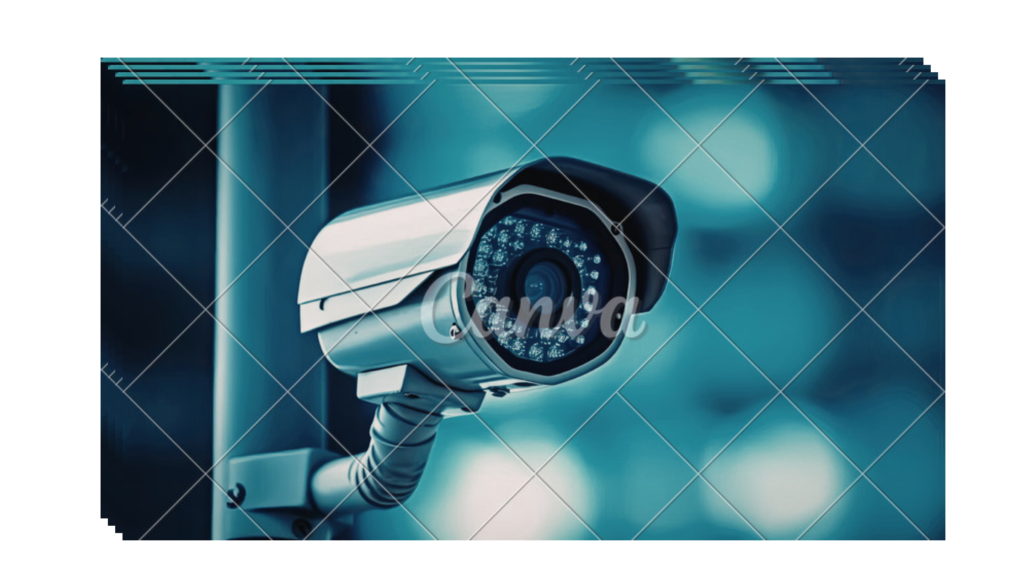
The Importance of CCTV in Modern Networked Security Systems
In today’s digital world, security has become a critical concern for businesses, institutions, and homeowners. Closed-Circuit Television (CCTV) systems play a vital role in protecting people, assets, and infrastructure. From preventing unauthorized access to providing valuable evidence during investigations, CCTV has evolved into an essential component of modern security strategies.
As a network engineer, I view CCTV not just as a surveillance tool but as a network-enabled security solution. Modern IP-based CCTV systems utilize network infrastructure to transmit high-quality video, allowing organizations to monitor multiple locations in real time from a centralized control center. This integration improves operational efficiency and enables faster responses to security incidents.
One of the primary benefits of CCTV is crime deterrence. Visible cameras can discourage theft, vandalism, trespassing, and other unlawful activities. In the event of an incident, recorded footage provides reliable evidence that can support investigations and legal proceedings.
CCTV systems also enhance workplace safety and operational monitoring. Organizations can observe critical areas, verify compliance with safety procedures, and identify potential risks before they become serious problems. In industries such as manufacturing, logistics, healthcare, and education, surveillance systems contribute significantly to maintaining secure environments.
From a networking perspective, modern CCTV solutions support advanced features such as remote access, cloud storage, video analytics, motion detection, and artificial intelligence-based monitoring. These capabilities allow security teams to receive instant alerts, analyze events efficiently, and make informed decisions.
However, the effectiveness of a CCTV system depends on proper network design, adequate bandwidth, secure configurations, and reliable storage solutions. Network segmentation, strong authentication, regular firmware updates, and encryption are essential to protect surveillance systems from cyber threats.
In conclusion, CCTV has become an indispensable part of modern security infrastructure. When combined with robust network engineering practices, it provides continuous monitoring, enhances situational awareness, and helps organizations maintain a safer and more secure environment.